
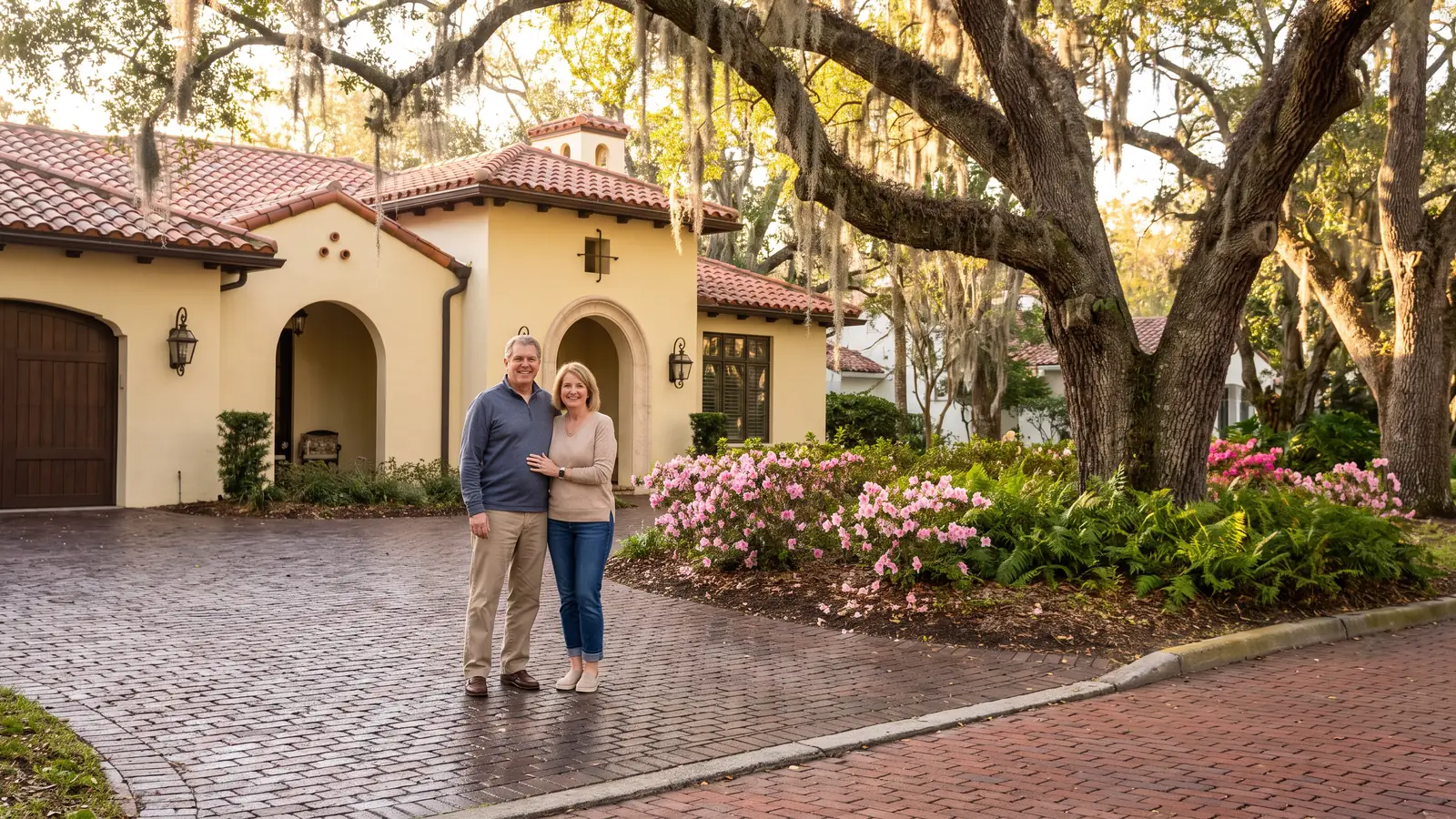
Brown, orange and black marks, treated one by one
Paver Stain Removal in Winter Park, FL
Call (689) 488-5644 for a free estimate to treat oil, rust and leaf stains on Winter Park pavers.
- Brings out deeper paver color
- Fresh joint sand helps lock pavers in place
- Gives weeds less room to grow
- Makes the surface easier to keep clean
- Free estimate, no obligation
Request a Free Estimate
Free, no obligation.
Who treats stained pavers in Winter Park, and how soon?
A local contractor treats stained pavers across Winter Park, FL, and a request is answered within 1 business day, usually much sooner. The visit and the estimate are free, and the next move is yours. To start, call (689) 488-5644.
Picture the walkway you want guests to use, with the dark streak by the garage gone and the orange ring beside the planter faded. A stain is easier to remove when someone names it correctly first. A contractor reads the mark, tests a hidden spot and then chooses the treatment. To get a read on yours, book your free estimate.
What kinds of stains show up on Winter Park pavers?
Six kinds come up most. Each one is made of something different, so each is treated differently. Tell the contractor where the mark is and what sits near it. To describe yours, call (689) 488-5644.
Leaf and tannin marks
Brown or gray patches under oaks and camphor trees where wet leaves lay on the surface.
Oil and grease
Dark spots in the garage apron and under parked cars, which soak into porous pavers.
Rust
Orange rings near metal furniture, sprinkler heads and spots where fertilizer landed.
White haze
A chalky film on newer pavers, which is usually salt moving to the surface.
Algae and mildew
Green or black film in shade and along the damp edge of a lawn bed.
Tree sap
Sticky spots under limbs, which are a separate problem from leaf stains.
Why do oak leaves leave brown marks on pavers?
Western Interlock explains that leaf stains come from the tannins in the leaves. Olde Winter Park's small winding brick streets sit under live oak and camphor trees, according to Wikipedia, and many yards share that shade. Wet leaves that stay on a paver for days leave a mark. To discuss a stain under a tree, call (689) 488-5644.
The mark can come back. Cambridge Pavingstones notes that leaves fall every year, so removing a stain does not stop the next one. Sweeping often and trimming back low limbs both help. If the marks keep returning, a coat of sealer gives you more time to clear the leaves. To ask about that, book your free estimate.
Tree sap is a different job
Western Interlock treats sap as its own problem and uses a different method than it does for leaf marks. Mention any sticky spot at the visit so it is not treated like a leaf stain. To flag sap, call (689) 488-5644.
Which Winter Park towns can get paver stain removal?
A contractor who serves Winter Park also covers the towns below, and each town page has local notes. If your street is not listed, call (689) 488-5644.
Where does rust on pavers come from?
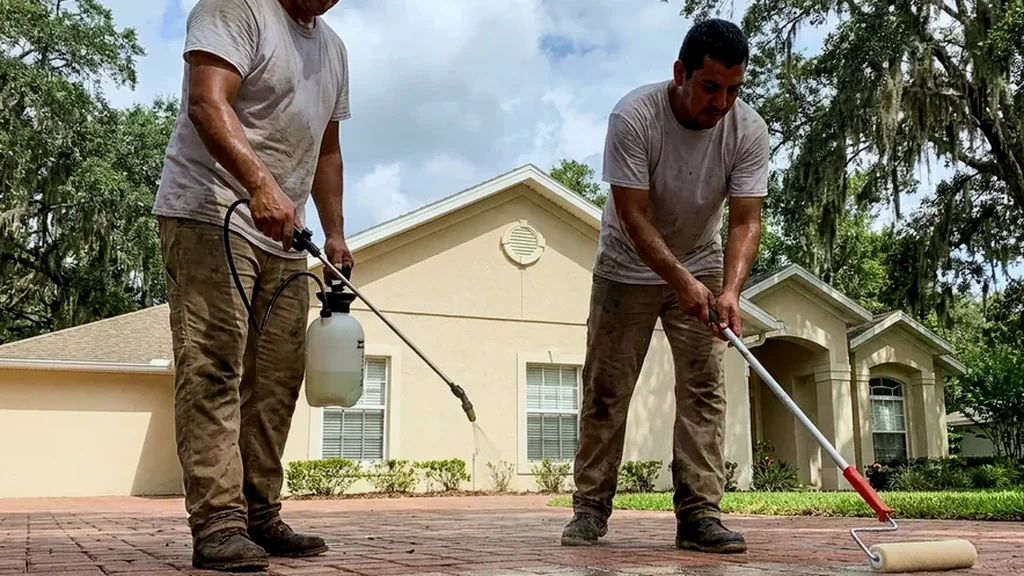
Prosoco says rust often comes from metal furniture, irrigation or fertilizer, and that the source should be fixed first or the stain returns. Cambridge Pavingstones lists sprinklers, patio furniture and fertilizer too. A rust ring beside a chair leg and a spray pattern from a sprinkler head point to different causes. To trace a mark at your home, call (689) 488-5644.
Orange County has rules that touch this. It bars fertilizer containing nitrogen or phosphorus from June 1 through September 30, and it says no fertilizer or clippings may be deposited on streets, driveways or storm drains. Granules left on a driveway are both a county problem and a stain risk. If you see orange spots near the lawn edge, book your free estimate.
Rust remover and sealer do not mix
Cambridge Pavingstones says its rust remover will damage sealer. A treated spot on a sealed surface may need a touch-up coat afterward, which is worth knowing before you book.
Why does an oil stain keep spreading after I rinse it?
Oil soaks into porous pavers. Prosoco says it keeps darkening the area even after rinsing, and that scrubbing the whole patio can lighten the dirt around the spot while the oil stays visible. That is why a targeted treatment beats a big wash. To point out your spot, call (689) 488-5644.
Time matters on the treatment side. Cambridge Pavingstones leaves its oil remover on for 6 to 8 hours until it dries to a powder, and then the powder is swept off. A contractor who does this plans the visit around it. Ask how long the oil treatment sits when you book your free estimate.
Should a contractor test one paver before treating the stain?
Yes. Cambridge Pavingstones says to test one or two hidden pavers, and Prosoco and Unilock both say to test first. Cambridge also says the maker does not guarantee its methods work. A test spot costs a few minutes and shows how the surface reacts. To set up a test, call (689) 488-5644.
What is the paver stain removal process, step by step?
Five steps cover the visit, and the order matters. Skipping the identification step is how a stain gets worse. To book one, book your free estimate.
1. Identify each stain
The contractor reads each mark and notes what caused it: leaves, oil, rust, sap or salt.
2. Test a hidden paver
The chosen treatment goes on one hidden paver first, and the contractor checks the result.
3. Treat each stain
Each mark gets the treatment that fits it, and the rest of the surface is protected.
4. Rinse and check
The surface is rinsed at low pressure, and the contractor repeats any spot that remains.
5. Seal if you want it
A coat goes on after the surface dries, so the new color stays easier to keep clean.
What does pressure do to a stained paver?
More force does not mean a better result. Prosoco warns that excessive force can displace joint sand, cut into vulnerable surfaces and disturb edges. A contractor should use the lowest pressure that does the job and refill the joints with sand once the surface dries. To ask what pressure is planned, call (689) 488-5644.
Can stains come out of travertine or natural stone?
Often, yes, with a gentler method. Unilock lists marble, limestone and travertine as acid-sensitive, names a high-alkaline cleaner for natural stone and says to test first. Acid-based rust products are a poor fit for these surfaces. Say what kind of stone you have when you book your free estimate.
For more on stone, see travertine sealing.
Will the white haze on my new pavers go away on its own?
Often. Unilock says efflorescence, a whitish haze caused by natural salts, goes away with time. Prosoco adds that it can return if moisture keeps moving through the paver or base, and Castle Clean and Seal says it adds time and materials to a job. A contractor can tell haze from cloudy old sealer. To check which one you have, call (689) 488-5644.
Should pavers be sealed after the stains come out?
It helps, if the surface is clean first. Castle Clean and Seal warns that sealer applied over dirty pavers traps stains permanently, so the stain treatment goes before the coat. Travertine Mart adds a fair caution: sealer does not make a surface stain-proof. It gives you time to clean a spill. To plan both steps, book your free estimate.
Read the full job on the paver sealing page, or see paver restoration and resealing if the old coat has failed. A coat over failed sealer turns white again, so the order matters.
What does paver stain removal cost in Winter Park?
No Orlando page checked prices stain removal on its own. Paver Sealing Orlando says it is not priced separately, and Castle Clean and Seal sets a $1,000 project minimum. The pieces around it are published, and the table below lists them. For a price on your marks, call (689) 488-5644.
That means treatment is usually priced inside the full job or quoted after a visit. If stripping is needed, Castle Clean and Seal says it usually adds $500 to $1,000 or more. Ask for stain treatment on its own line when you book your free estimate.
| Piece of the job | Published figure | Where it comes from |
|---|---|---|
| Stain treatment inside a full clean, sand and seal | $1.50 to $3.00 per sq ft | Castle Clean and Seal and Paver Sealing Orlando |
| Stripping failed sealer first | Adds $500 to $1,000 or more | Castle Clean and Seal |
| Strip and reseal in full | $3.50 to $5.00 per sq ft | Paver Sealing Orlando |
| Project minimum | $1,000 | Castle Clean and Seal |
| Stain removal as a separate line | Not priced on the Orlando pages checked | Paver Sealing Orlando says it is not priced separately |
No page checked for this site lists a price for stain removal on its own. This table shows the published pieces that surround it, as of November 2026. Treatment is usually priced inside the full job or quoted after a visit, so a spot treatment can come in under or over these figures.
How can I keep stains from coming back?
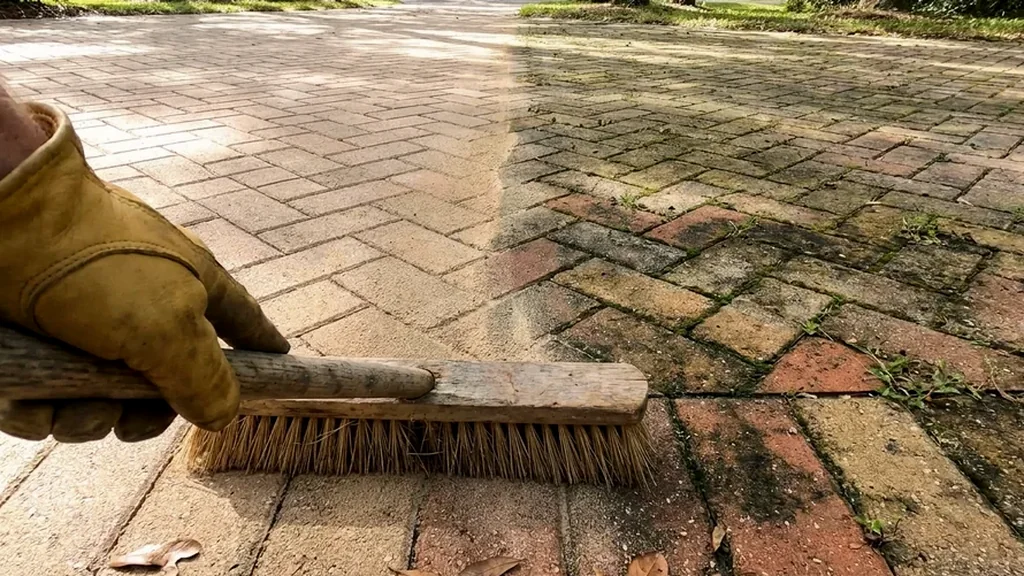
Most stains have a source you can reduce. Sweep leaves before they stay wet, move metal furniture off the pavers, and keep fertilizer off hard surfaces. Prosoco says to fix a rust source first, and Cambridge Pavingstones agrees. To plan a routine for your yard, call (689) 488-5644.
Sweep leaves quickly
Wet leaves that stay put leave brown marks.
Move metal furniture
Rust rings form where metal feet sit on damp pavers.
Sweep up fertilizer
Orange County bars it from driveways, and stray granules can stain.
Wipe oil drips early
Oil soaks in and keeps darkening, so a quick wipe helps.
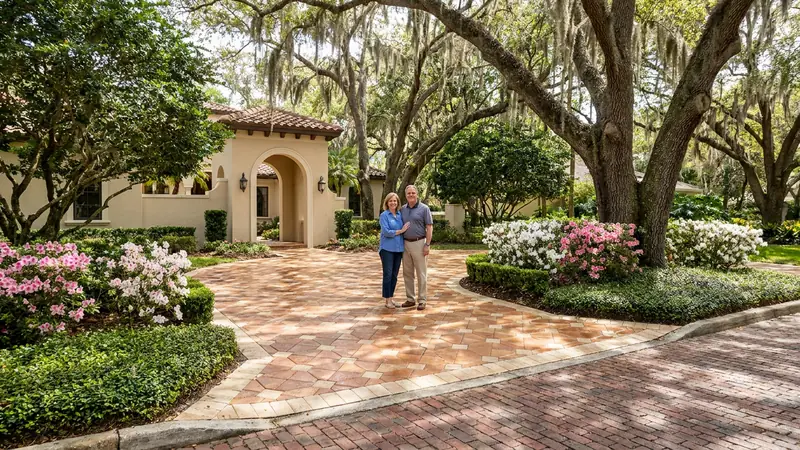
What do pavers look like after stain treatment around Winter Park?

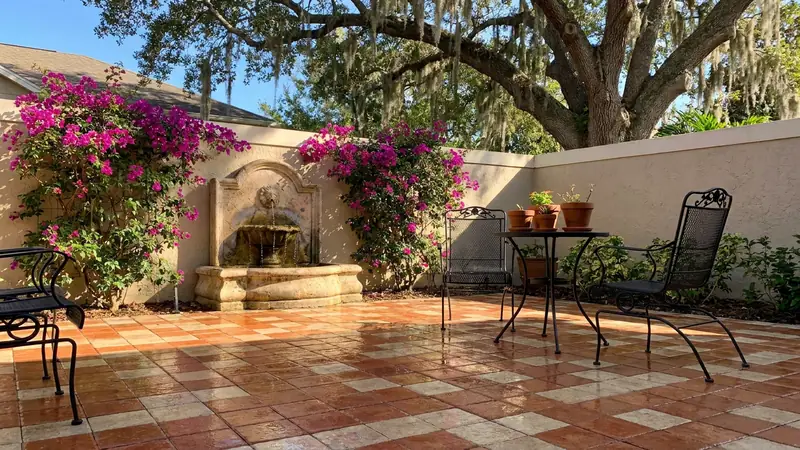
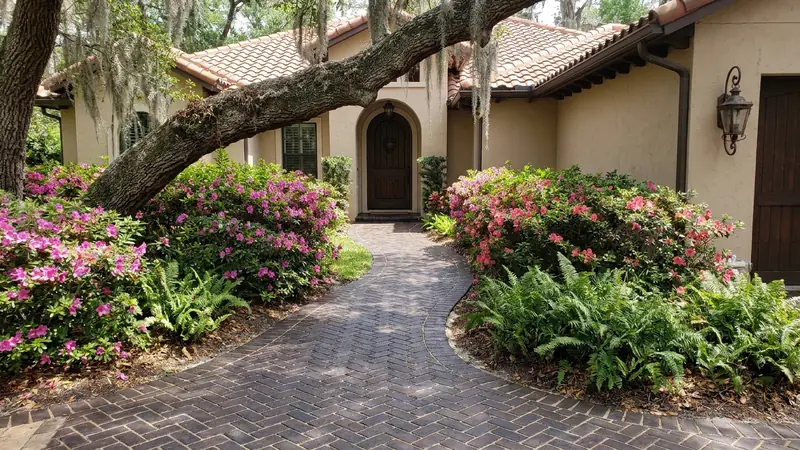
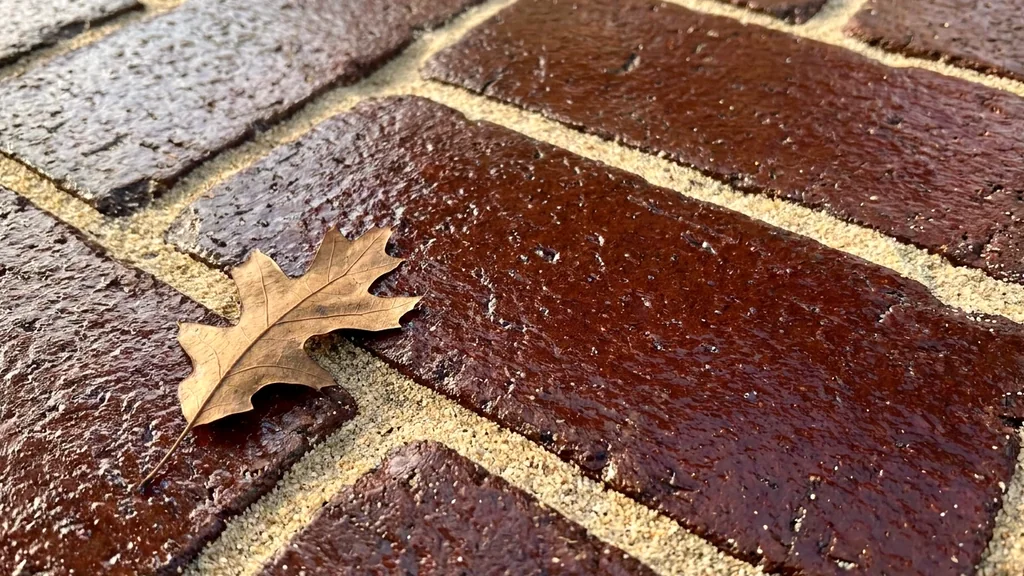
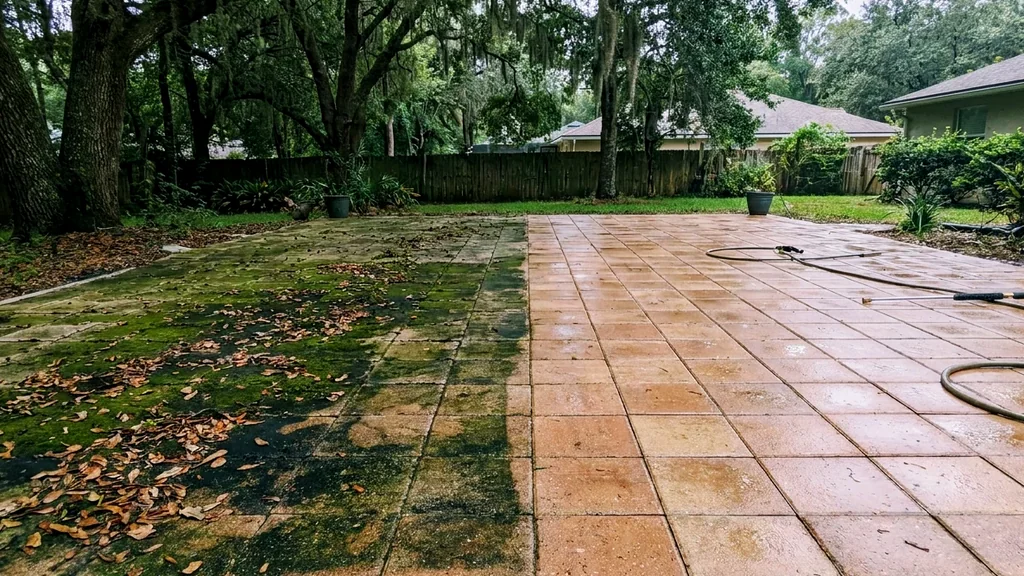
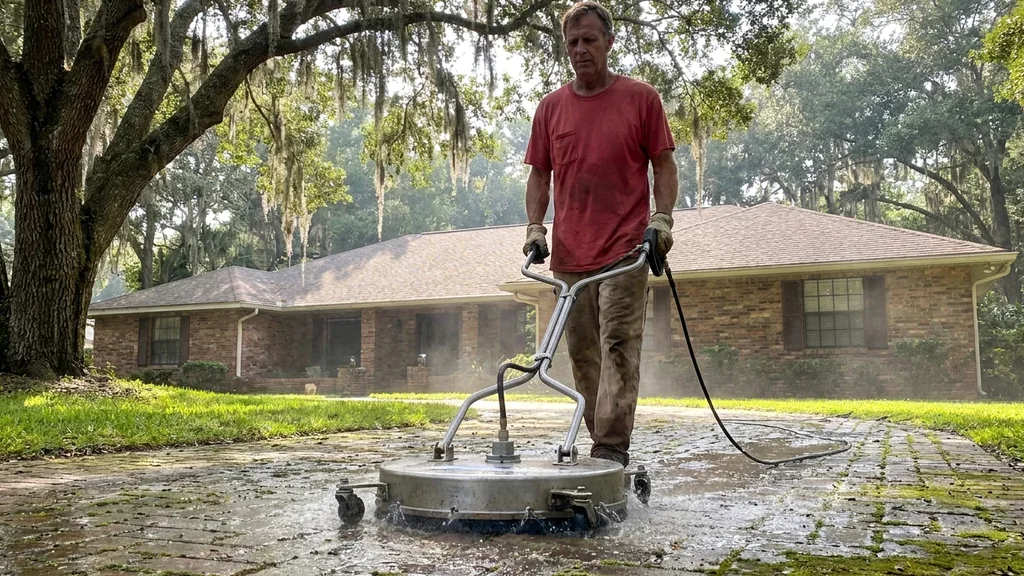
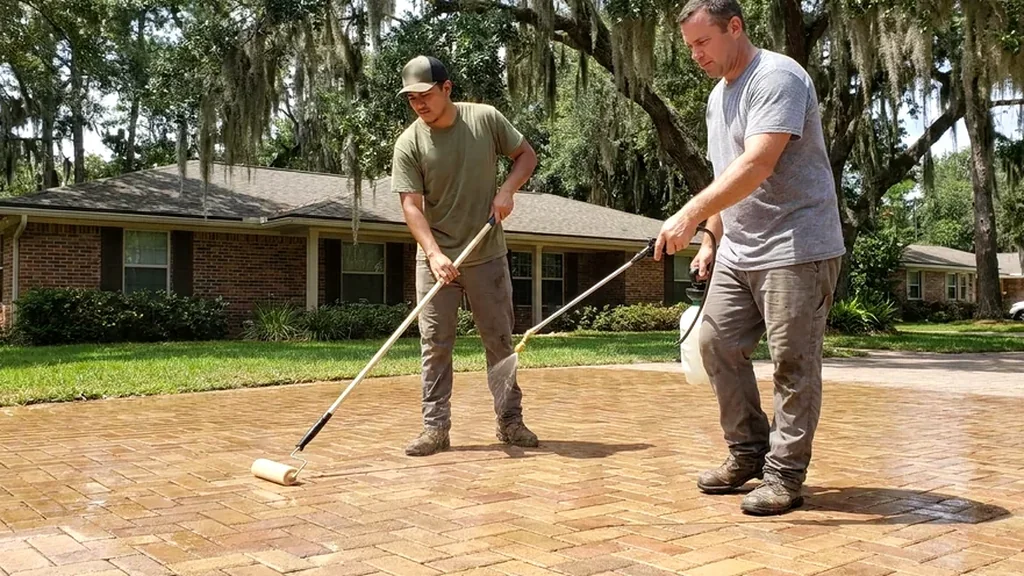
Why choose a local contractor for paver stain removal?
A contractor who works around Winter Park already knows oak leaf marks, sprinkler rust and the summer fertilizer rules. The estimate is free, the price comes in writing and the choice stays with you. To begin, book your free estimate.
Contractors who know the area
A company that works in and around Winter Park already deals with oak shade, lake humidity and summer storms. That makes the first visit more useful.
Free to ask
The visit and the estimate cost nothing. If the number does not suit you, you can say no and owe nothing.
Prices you can check
Central Florida companies publish what they charge per square foot, and this site shows that range. A bid far above or below it deserves a question.
You set the pace
Ask for the price on paper, then take as long as you like to decide. Before signing, read the contractor standards page for the points worth confirming.
What do Winter Park homeowners ask about paver stains?
What works on each stain, what to avoid and what it costs come up most. The answers follow, and for anything else, call (689) 488-5644.
How can I remove stains from my pavers?
It depends on the stain, so a contractor identifies it first and matches the treatment. Oil, rust, leaf marks and white haze each need something different. Cambridge Pavingstones and Prosoco both say to test a small hidden spot before treating a large area.
Is it necessary to seal pavers in Florida?
It is not required, but sealed pavers resist stains better and rinse cleaner. Travertine Mart notes that even a good sealer does not make stone stain-proof. A coat helps most when it goes on after the stains are gone, since Castle Clean and Seal says sealer over dirt traps stains.
How much does it cost to have pavers cleaned and sealed?
Orlando-area companies list $1.50 to $3.00 per square foot for a complete clean, sand and seal. Castle Clean and Seal sets a $1,000 project minimum. Stain treatment is not priced separately on the Orlando pages checked, so ask for it as its own line.
What not to use to clean pavers?
Avoid treatments that have not been tested on your pavers. Prosoco says vinegar is not a universal paver cleaner and warns that excessive force can displace joint sand. Cambridge Pavingstones says a rust remover will damage sealer, so match each product to the stain and the surface.
Why do my pavers have brown marks under the oak tree?
Leaves carry tannins, and Western Interlock says tannins are what stain pavers after wet leaves sit on them. Cambridge Pavingstones adds that leaves fall every year, so the marks can return. Sweeping leaves off quickly slows that.
What causes orange rust spots on a Winter Park driveway?
Rust usually comes from metal furniture, sprinkler water or lawn fertilizer, according to Prosoco and Cambridge Pavingstones. Both say to find the source first, or the stain returns. Orange County also bars fertilizer from driveways.
Why does an oil stain keep spreading after I rinse it?
Prosoco says oil soaks into porous pavers and keeps darkening the area after rinsing. Scrubbing the whole surface lightens the dirt around it while the oil spot stays visible. A targeted treatment aimed at the spot works better than a general scrub.
Will the white haze on newer pavers go away?
Often, yes. Unilock says efflorescence, a whitish haze caused by natural salts, goes away with time. Prosoco adds that it can return if moisture keeps moving through the paver or base. A contractor can tell it from cloudy old sealer.
Can pressure washing damage pavers while removing a stain?
Yes. Prosoco says excessive force can displace joint sand, cut into vulnerable surfaces and disturb edges. A contractor uses the lowest pressure that does the job and refills the joints with sand when the surface dries.
Can stains come out of travertine?
Often, with care. Unilock lists travertine as acid-sensitive and names a high-alkaline cleaner for natural stone, and it advises testing first. Acid-based rust removers are a poor match for it, so tell the contractor what kind of stone you have.
Does a stain treatment remove the sealer too?
It can. Cambridge Pavingstones warns that its rust remover will damage sealer, which means a treated spot may need a touch-up coat. Ask the contractor to plan for that when you request the estimate.
Ready for a free paver stain removal estimate in Winter Park?
Point out the marks and a local contractor writes back within 1 business day, usually much sooner.
Free, no obligation